
Retail Workshop Practice
Refurbishing Ex-Display Jewellery Before Sale
Ex-display jewellery should be assessed as individual stock with a current condition, not simply passed for a quick polish. Handling, adjustments or previous work may have affected different pieces in different ways. The useful starting point is a record of what each item needs before it is presented for sale.
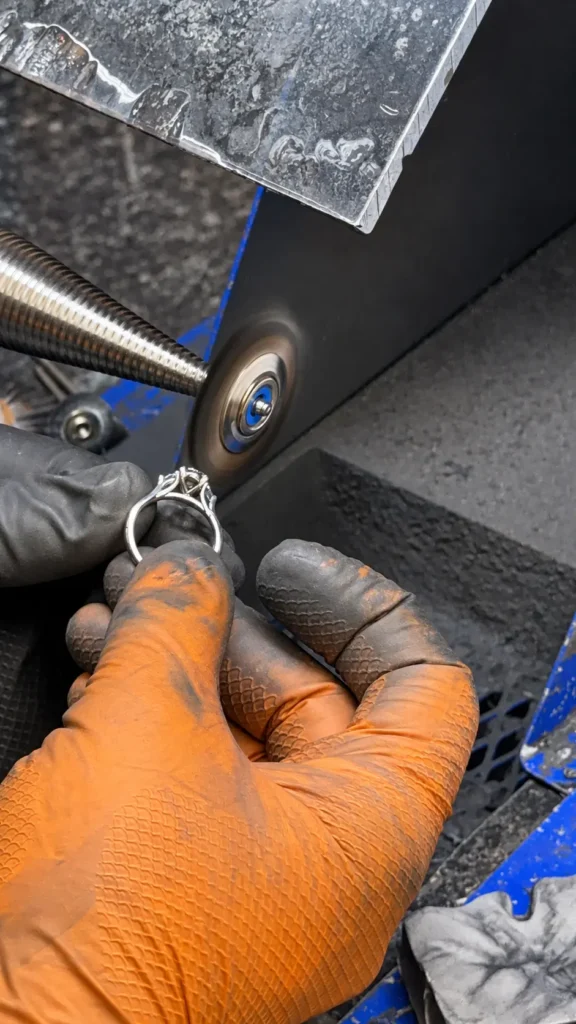
Ex-display jewellery should be assessed as individual stock with a current condition, not simply passed for a quick polish. Handling, adjustments or previous work may have affected different pieces in different ways. The useful starting point is a record of what each item needs before it is presented for sale.
The purpose of refurbishment should be clear: address the agreed concerns, establish the accepted finish and confirm that the sales information describes the item as it now exists. A brighter surface alone does not answer every question about condition or specification.
Discuss refurbishing ex display jewellery
Identify the display-stock items and their current condition before requesting repair or refinishing work.
Record the item before deciding the work
Use the stock reference and identify the current size, components and relevant specification. Note visible marks, known alterations and any concern raised during handling. Keep photographs that show the starting condition and the areas submitted for assessment.
If several items are grouped together, preserve their individual instructions. A common display location does not mean they all require the same treatment. The batch polishing guide explains why variation in incoming condition matters to an intended finish.
Separate condition concerns from surface appearance
Identify whether the request concerns a mark, the overall finish, fit, a mechanism or a setting. Ask for the appropriate assessment before deciding that polishing is the complete answer. A&M’s jewellery polishing service considers the piece’s construction and existing condition.
Where repair work is required, have it described separately from refinishing. Do not allow a general stock refurbishment instruction to obscure the decision needed on a damaged component or loose stone. The approved scope should show what is being corrected and what has simply been inspected.
Set limits for the desired finish
Provide the intended finish reference and identify the details that define the design. Edges, decorative textures and existing marks may require particular consideration. The preserving detail guide explains why an instruction to remove every visible mark can be too broad.
If the assessed result cannot reasonably remove a feature without changing the piece, agree the next decision before continuing. Avoid treating a more aggressive surface treatment as the automatic response to a remaining mark. The workshop proposal should reflect the condition and intended appearance of that item.
Before you approve the work
Separate appearance work from structural or setting concerns before approving the refurbishment scope.
Recheck the current specification
After authorised alterations, confirm the size, components and finish recorded against the stock reference. Update the product information and photographs where the work has changed what is being sold. Do not continue using a specification that describes an earlier version of the piece.
The quality control checklist provides a framework for checking defined requirements. Keep the final condition assessment and any specialist findings available to the retailer preparing the sale. This is a practical stock-control recommendation, not a substitute for the business’s own sales obligations.
Return the piece to stock with a clear record
Record the completed operations, accepted result and any condition that remains relevant to presentation. Keep paired items and associated components together. Make sure the sales team can explain the current piece accurately rather than describe refurbishment as proof that it is entirely new.
Ex-display refurbishment is most useful when appearance, condition and product information are reviewed together. A defined scope helps the workshop complete appropriate work and gives the retailer stock that can be presented from an accurate current record.
Plan the next step with A&M
Separate each stock item’s condition concerns from its finishing request when preparing the refurbishment enquiry.
Frequently asked questions
Does every ex-display piece need polishing before sale?
No. Assess its actual condition and intended finish before deciding whether cleaning, repair, refinishing or no workshop work is appropriate.
Can a surface refinish establish that a setting is sound?
No. Appearance work should not be treated as a substitute for the relevant setting assessment or recorded repair scope.
Should stock information change after a size or component alteration?
Yes. The current product record and sales presentation should describe the item after the authorised work.