
Retail Workshop Practice
Jewellery Aftercare Cards: Match Instructions to Materials and Treatments
A useful aftercare card helps the customer look after the piece they actually own. It should reflect the metal, stones, surface treatment and construction, together with any relevant information from a repair. A generic instruction that sounds convenient can be unsuitable when applied across an entire jewellery range.
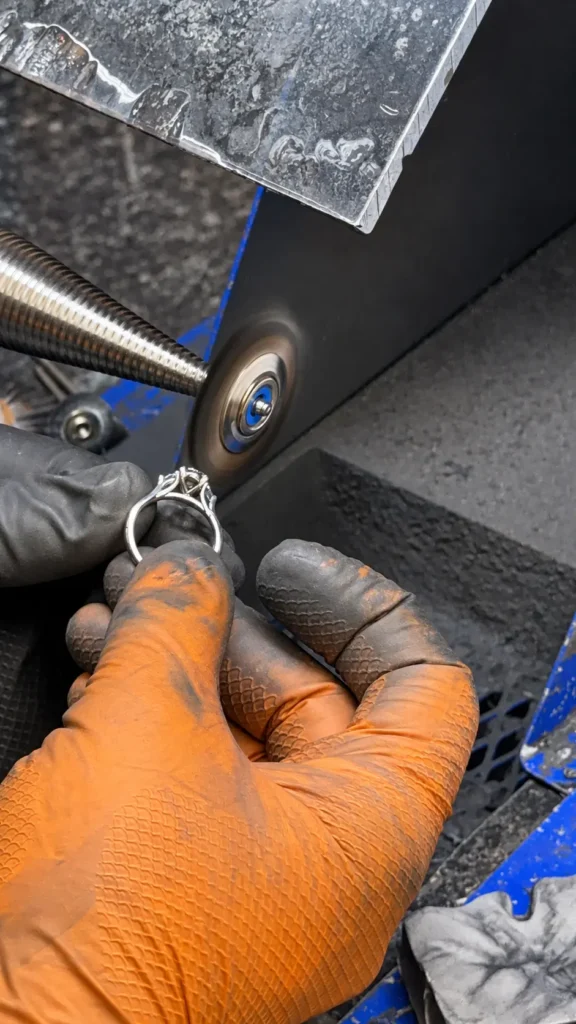
A useful aftercare card helps the customer look after the piece they actually own. It should reflect the metal, stones, surface treatment and construction, together with any relevant information from a repair. A generic instruction that sounds convenient can be unsuitable when applied across an entire jewellery range.
The retailer should build the wording from confirmed product information and the workshop’s completed scope. Where a material or treatment remains unknown, the card should direct the customer to seek appropriate advice rather than turn that uncertainty into a confident cleaning recommendation.
Discuss jewellery aftercare cards
Ask for care information relevant to the actual materials and completed workshop stages when the job is agreed.
Start with the product record
Identify the materials, stones and known treatments relevant to care. Include surface finishes or plated layers where they affect the explanation. For repaired jewellery, check whether the completed work changes any instruction previously supplied with the piece.
The handover records guide explains why completed stages and supporting information should travel together. An aftercare card is the customer-facing version of selected practical information, not a substitute for the full workshop record or a technical report.
Avoid one cleaning method for every stone
GIA’s general jewellery care guidance explains that cleaning suitability depends on the gem and its treatment. Its pearl care page, for example, advises against ultrasonic and steam cleaning. Those distinctions should remain visible when a retailer writes care instructions.
Use material-specific information confirmed for the actual piece. Do not recommend home equipment or chemicals solely because they are suitable for a different product. Where identification or treatment information is incomplete, tell the customer to contact the retailer for advice before choosing a cleaning method.
Explain maintenance without inventing a lifespan
If the piece has a finish that may change through wear, describe the relevant maintenance conversation accurately. The rhodium finish guide gives context for A&M’s assessed refinishing work. Avoid promising a universal duration for a plated surface or a fixed number of refinishing treatments.
Likewise, do not create an inspection interval, service entitlement or warranty that has not been agreed by the business. If a specific follow-up has been recommended for an individual repair, record that recommendation clearly and keep it separate from general product care.
Before you approve the work
Resolve unknown gemstone treatments or construction details before approving a generic cleaning instruction.
Tell the customer when to ask for help
Use straightforward wording about the concerns the retailer wants reported, such as a change in fit or movement noticed in a setting. The setting assessment guide explains why concerns need evaluation of the actual piece. Avoid instructing customers to test settings by force.
Provide a current contact route and identify whether the customer should return to the retailer. A&M’s workshop services are for trade clients, so a retailer’s care card should not direct private customers to send jewellery to A&M without the agreed trade arrangement.
Approve the wording alongside the product
Check the card against the actual specification and supplied workshop information before it is printed or emailed. If materials, treatments or construction change, review the wording as part of that revision. Keep specialist terms only where they help the customer make a practical decision.
An effective care card is short because its information has been selected carefully. It gives the customer appropriate guidance, realistic maintenance expectations and a clear person to contact, without turning a generic template into an unsupported promise.
Plan the next step with A&M
Ask for care information relevant to the actual materials and completed work, then use it in your retailer handover.
Frequently asked questions
Can the same care card be used for every gemstone product?
Only where the instructions genuinely apply to each product. Different stones, treatments and constructions can require different guidance.
Should a care card include a fixed inspection interval by default?
No. Include an interval only when the business or assessing specialist has established it for the relevant product or service.
Where should a private customer send questions about an A&M trade repair?
The retailer should provide the customer contact route and coordinate any further workshop enquiry through the agreed trade process.