
Ring Sizing & Fit
Ring Sizing Beads or Shank Resizing: Which Question Are You Solving?
Sizing beads and shank resizing address fit in different ways. An internal adjustment changes the contact between the ring and finger, while a conventional resize changes the band’s circumference. Choosing between them starts with understanding why the ring feels wrong, rather than selecting the smallest available workshop operation.
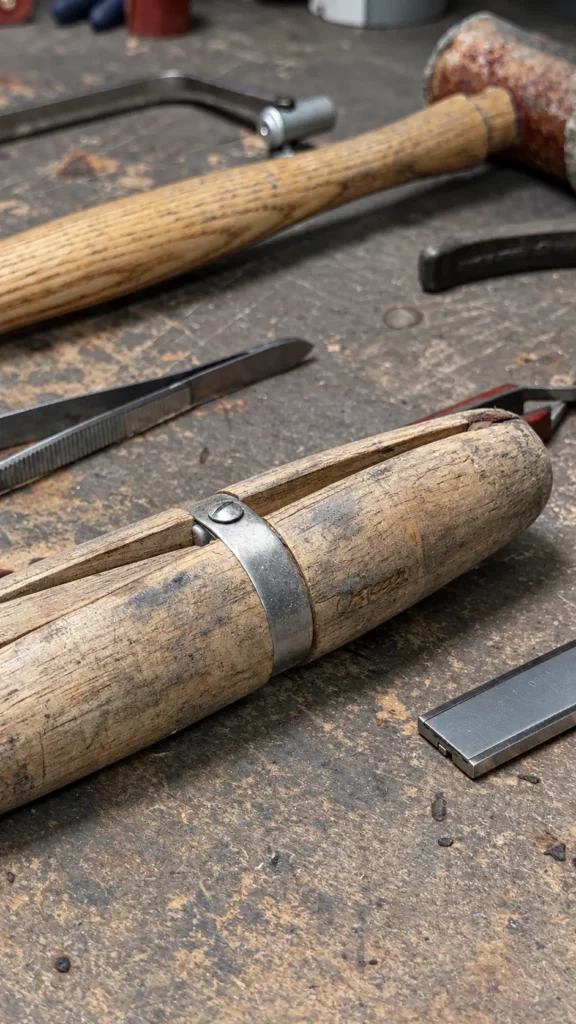
Sizing beads and shank resizing address fit in different ways. An internal adjustment changes the contact between the ring and finger, while a conventional resize changes the band’s circumference. Choosing between them starts with understanding why the ring feels wrong, rather than selecting the smallest available workshop operation.
For a jewellery retailer, that means listening carefully to the customer’s description. A ring that rotates, one that feels loose throughout the day and one that is difficult to remove may require different conversations. Record the observations before asking the workshop to recommend a route.
Discuss ring sizing beads vs resizing
Describe when the ring moves and how it passes over the knuckle, alongside the measured size.
Describe the fit problem precisely
Ask when the issue occurs, whether it has changed and which ring is being worn alongside the piece. Record the current measured size and the size or fitting sample used in the shop. Avoid treating an old online size conversion as a substitute for a current fitting.
The customer should not be encouraged to force a ring on or off to demonstrate the problem. The aim is to give the workshop an accurate account of normal use. Photographs can show the ring’s profile and internal space, but they cannot establish how a proposed alteration will feel on the hand.
Understand what an internal adjustment changes
Sizing beads introduce raised areas inside a band. Their practical suitability depends on the ring, their proposed position and the wearer’s response. Discuss the intended effect with the workshop and explain that a local change to the interior is not identical to making the whole ring uniformly smaller.
Ask whether there is sufficient suitable metal and whether existing inscriptions, marks or stone-set areas affect the proposal. A drawing or marked photograph can help explain the intended location. The retailer should confirm the agreed approach rather than leave the customer to imagine what the interior will look like.
Consider the implications of changing the shank
A shank resize requires its own assessment of the band, stones and existing joints. The A&M ring-sizing page explains why construction is reviewed before the method is chosen. A ring with heavily set shoulders should not be treated as equivalent to a plain band simply because both have the same current size.
If resizing is proposed, confirm the finished size and the reference used to establish it. GIA’s finger and ring measurement benchmarks distinguish several ring forms when discussing accurate measurement. That supports a careful fitting process rather than a single assumption about every band.
Before you approve the work
Compare the proposed fit solution with the customer’s actual wearing experience before authorising it.
Ask about comfort, appearance and future changes
Discuss the customer’s priorities in practical terms. Is the aim to reduce movement, improve security or achieve a different fit across the whole band? Which internal details need to remain visible? Does the customer expect to wear the ring with a wide neighbouring band?
Do not promise that an alteration is completely reversible or leaves no trace unless the workshop confirms that for the actual piece. Any later change should be assessed against the condition at that time. An earlier successful adjustment does not establish an unlimited series of future alterations.
Close the job with a fitting check
The completed alteration should be checked against the approved instruction and, where practical, assessed with the customer using the normal combination of rings. Record the result and any further concern rather than treating the job as complete solely because the bench operation has finished.
The right solution is the one that addresses the identified fit problem within the limits of the ring. A clear description, a considered workshop recommendation and a proper collection check are more useful than a blanket preference for beads or resizing.
Plan the next step with A&M
Explain the fit problem on the hand and ask A&M to assess the proposed interior adjustment or shank alteration.
Frequently asked questions
Are sizing beads suitable for every ring?
No. Available interior space, metal condition, stones, marks and the wearer’s comfort all affect suitability. Ask for an assessment of the actual ring.
Will sizing beads stop every ring from spinning?
They should not be presented as a guaranteed remedy. The cause of movement and the ring’s overall fit need to be understood before a solution is proposed.
Can the customer choose the method before inspection?
They can explain a preference, but the workshop still needs to confirm feasibility and any limitations before the alteration is authorised.