
Ring Sizing & Fit
When Does a Worn Ring Need a Replacement Shank?
A worn ring band may need more than another local repair. Where the underside has become thin or a damaged section no longer provides a suitable basis for alteration, the workshop may discuss replacing part of the shank. The decision depends on the whole ring, including the shoulders and setting that the new section must meet.
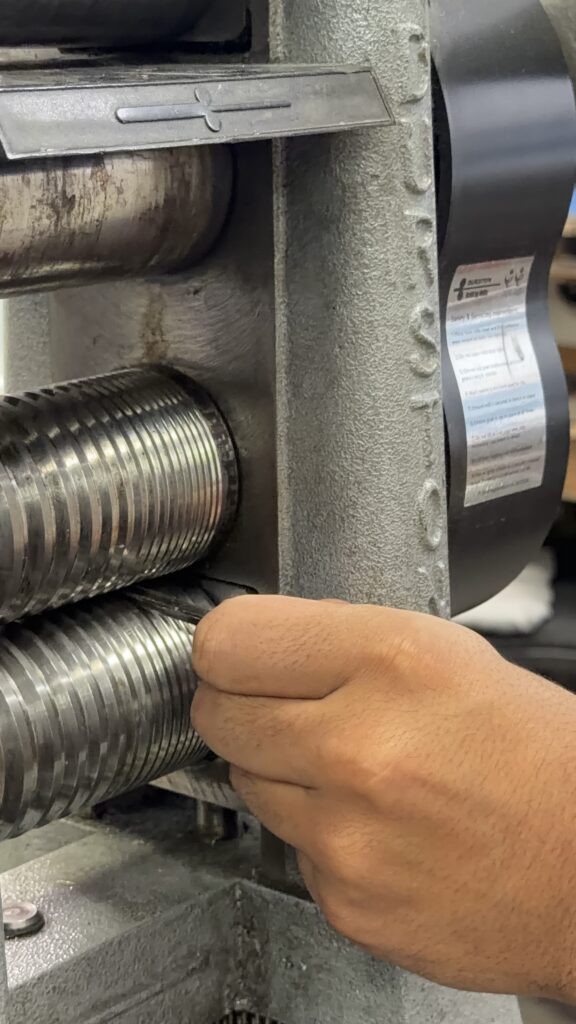
A worn ring band may need more than another local repair. Where the underside has become thin or a damaged section no longer provides a suitable basis for alteration, the workshop may discuss replacing part of the shank. The decision depends on the whole ring, including the shoulders and setting that the new section must meet.
For a retailer, the important task is to explain what is being retained and what may be replaced. A customer can hear the word repair and assume that every original part will remain. The quotation and approval should make the proposed construction clear before the ring reaches the bench.
Discuss ring shank replacement
Photograph the worn underside and both shoulders, including any earlier sizing joints.
Assess the full worn area
Provide photographs from beneath the ring and from both sides. Include areas where the band changes thickness, previous joints are visible or the shoulders appear distorted. The workshop needs to establish the extent of wear rather than concentrate only on an obvious split.
Do not set a universal minimum thickness from a photograph or an internet rule. Suitability depends on the material, geometry and intended use of the actual piece. Physical inspection can also reveal differences between an apparently sound surface and the condition of the section as a whole.
Distinguish a local repair from replacement
Ask the workshop to explain why a local correction is or is not appropriate. Joining a break, changing the size and replacing a worn section are different operations. They may be combined in one commission, but each should be identified in the proposed scope.
A&M’s repairs and alterations service provides a route for assessing the condition and required work. Refer to the piece’s history where it is known, particularly earlier resizing or repairs in the same area. An old repair is relevant evidence, not proof of a current defect or a particular cause.
Define the new section’s appearance
The replacement should be specified in relation to the retained ring. Discuss width, thickness, outside profile, internal shape and the transition into the shoulders. A stronger-looking underside can still be an unsatisfactory result if it meets the original design awkwardly or changes the fit unexpectedly.
If the requested finished size also changes, record that within the same instruction. Do not leave the workshop to infer whether the new shank should reproduce the old size or deliver a revised fit. The ring-sizing brief is a useful companion to the repair description.
Before you approve the work
Agree the extent of replacement and the intended finished profile before work begins.
Identify details and stones affected by the work
Check the location of inscriptions, hallmarks and decorative features before the replacement area is approved. Ask what can be retained and whether any further specialist advice is needed. Do not promise to reproduce an official mark or transfer it as though it were ordinary decoration.
The adjoining setting also needs consideration. GIA’s platinum setting benchmarks emphasise the relationship between supporting metal and stone security. In a repair enquiry, the practical implication is to have the retained upper part assessed rather than assume a new lower shank resolves every condition issue.
Approve the result as a complete ring
The finished review should include fit, transitions, retained details and any setting work that formed part of the authorised scope. Keep the original condition photographs with the repair record so the customer can understand what changed. Record how removed material will be handled according to the agreed job arrangements.
Shank replacement is most useful when its purpose and boundaries are explicit. A clear proposal lets the customer choose between a limited repair and a more substantial reconstruction with a realistic understanding of the result.
Plan the next step with A&M
Ask for a worn shank to be assessed alongside its shoulders and settings before selecting the extent of replacement.
Frequently asked questions
Does a thin shank always need replacing?
Not automatically. The workshop needs to inspect the remaining metal, construction and proposed use before recommending a local repair, replacement or another route.
Can a replacement shank change the ring size too?
That can be discussed as part of the commission. State the requested finished size explicitly and agree how it relates to the replacement profile.
Will the original engraving survive?
It depends on where the engraving sits and which section is replaced. Identify it before approval and agree any feasible preservation or re-engraving work separately.