
CAD & Prototyping
Jewellery Prototyping: What a Physical Sample Can Reveal
Jewellery prototyping gives a design a physical form that can be handled, viewed and compared. It can reveal questions that are difficult to settle on screen, from the apparent scale of a pendant to the relationship between a ring's setting and shank. The value of the sample depends on knowing what it is intended to test.
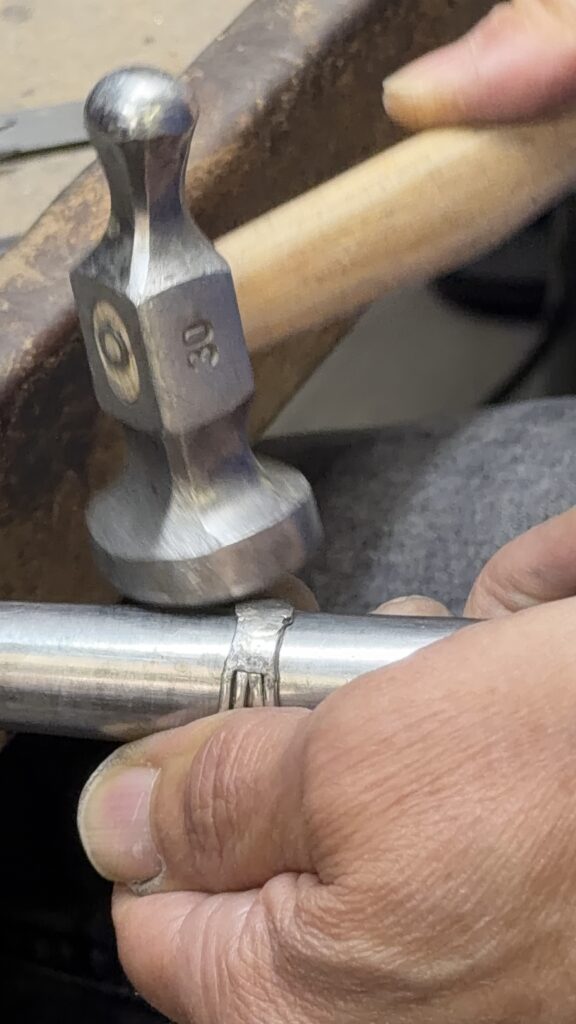
Jewellery prototyping gives a design a physical form that can be handled, viewed and compared. It can reveal questions that are difficult to settle on screen, from the apparent scale of a pendant to the relationship between a ring’s setting and shank. The value of the sample depends on knowing what it is intended to test.
A prototype is not automatically a finished production standard. Its material, construction and level of completion may differ from the goods eventually supplied. Record those differences before using it to approve the design.
Discuss jewellery prototyping
Identify the fit, appearance or construction question your prototype should answer.
Decide what the sample needs to prove
List the unresolved questions. You may need to judge proportions, check an interface, examine access for assembly or assess the completed finish. A single sample may address several questions, but it should not be assumed to answer all of them.
Choose the prototype stage with the workshop. A form used to assess overall scale may be sufficient for one decision, while another requires the actual metal and construction. The sample should be proportionate to the question rather than produced simply because prototyping is expected.
Inspect scale from normal viewing positions
Look at the piece as it will be seen and used, as well as at close range. A model enlarged on a screen can make small details seem more prominent than they are physically. Compare important dimensions with the brief while judging the overall appearance.
If fit or balance is being considered, explain the intended use and any comparison piece. The workshop needs to know whether the prototype is being judged in isolation or in relation to another item, such as a wedding band or a particular chain.
Separate material limitations from design findings
A substitute material may not reproduce the weight, stiffness, surface or colour of the intended metal. Record which conclusions remain provisional. Avoid approving the finished feel of a piece solely from a sample that does not represent it.
Likewise, temporary stones or incomplete settings may be useful for visual assessment but do not establish final setting quality. The actual materials and completed construction need their own checks at the appropriate stage.
Before the next production step
Check what the sample material can establish before using it for final approval.
Turn observations into controlled revisions
Describe the feature that needs changing and the outcome sought. “Too heavy-looking” is a starting observation; the next discussion should identify whether the concern is height, width, spacing or another visible relationship.
Keep the revised model linked to the prototype feedback. If multiple samples are made, label their versions and approval status. An earlier sample should not later be mistaken for the version that was accepted.
Plan the transition to production
A&M’s manufacturing support includes prototypes and repeat-batch work. Discuss what further approval is needed when moving from the development sample to the intended production materials and operations.
Retain a record of what the prototype established and what it did not. This gives the first production review a clear purpose. It also prevents the team from repeating resolved discussions while overlooking untested features.
Use the sample to answer real questions
A good prototype turns uncertainty into a decision. Define its purpose, respect the limits of its material and completion, and connect the findings to the next approved version of the design.
Plan the work with A&M
A&M can assess your trade enquiry in the context of the actual piece and requested workshop stages. Bring the references discussed in this guide so the next decision can be made on clear information.
Frequently asked questions
Is a prototype always made in the final metal?
No. The appropriate material depends on what needs to be assessed. Confirm the limitations of any substitute and which decisions must wait for a representative production piece.
Can a prototype be used for customer approval?
It can support approval if the customer understands what it represents. Record differences from the final piece and avoid implying that untested weight, colour or finish has been established.
Do I need another prototype after every change?
Not necessarily. Discuss whether the change affects the questions the sample was meant to answer. Some revisions can be checked digitally; others may justify another physical assessment.