
Retail Workshop Practice
Reviewing Recurring Jewellery Repairs: Feeding Lessons Back into Design
Repeated repair enquiries can reveal a question worth investigating, but they do not automatically establish a design defect. Similar descriptions may come from different revisions, materials, wearing conditions or previous repairs. A useful review begins by organising the evidence before choosing a technical response.
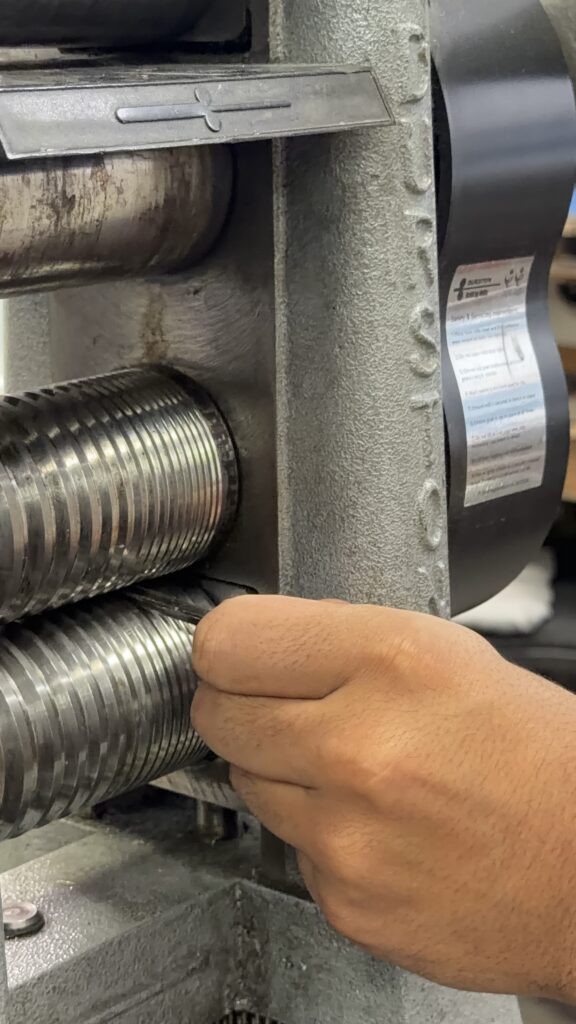
Repeated repair enquiries can reveal a question worth investigating, but they do not automatically establish a design defect. Similar descriptions may come from different revisions, materials, wearing conditions or previous repairs. A useful review begins by organising the evidence before choosing a technical response.
For a retailer or jewellery brand, the aim is to learn from completed work and make a controlled decision. That may lead to a design change, a clearer specification, different inspection or better customer information. The correct response depends on what the records actually support.
Discuss recurring jewellery repairs design review
Bring the affected product references and repair records so the workshop can assess the repeated concern in context.
Group genuinely comparable cases
Identify the product, revision, material and affected component for each case. Record the reported issue, assessed condition and completed repair where available. Keep unrelated constructions separate even if customers use the same words to describe them.
The production exceptions guide explains how a condition and its response can be recorded clearly. Repair records add information from use, but they may also have gaps. Note missing history rather than filling it with assumptions about how the piece was worn.
Separate observation from possible cause
Describe what has been found before deciding why it happened. A repeated open connection or worn area is an observation. A proposed explanation involving geometry, material, assembly or handling needs assessment against the actual evidence.
Ask the workshop to identify which findings support a theory and what remains uncertain. A&M’s repair assessment considers condition, construction and previous work on the piece. Do not turn a small collection of enquiries into an invented failure rate or a claim about every product sold.
Define the question a change should answer
If a design response is proposed, state the intended improvement and the features it may affect. A change to one component can alter appearance, fit, assembly or compatibility with existing parts. Consider those relationships before approving the revision.
The design change guide explains why the current file and accepted change need to stay connected. A repair review should produce a clear proposal with a named owner, not several informal adjustments that gradually create an undocumented product version.
Before you approve the work
Agree the evidence and sample checks needed before turning a suspected cause into a production design change.
Test the proposed response within its limits
Agree the sample and checks needed to evaluate the change. The first-sample approval guide distinguishes accepted features from outstanding conditions. State what the review establishes and what it cannot demonstrate about longer-term use.
Compare the revised component against the defined concern while checking the rest of the assembly. Do not treat a successful appearance review as proof that the original issue has been eliminated in all circumstances. Record the assessed result and the reason for the next production decision.
Carry the decision into production and service
If the change is approved, update the relevant specification, component reference and handover information. Decide how the revised part relates to existing stock and earlier customer pieces. Compatibility or retrospective alteration should be assessed explicitly, not inferred from a similar product name.
Continue to record future enquiries against the correct revision so the business can review the outcome. Recurring repair information becomes valuable when it leads to a specific, evidence-led question and a documented response, giving design and workshop teams a shared basis for improvement.
Plan the next step with A&M
Bring comparable repair records and a clearly stated design question before proposing a change to repeat production.
Frequently asked questions
Do repeated repairs prove that a design is defective?
No. They justify investigation, but the product versions, condition, history and assessed findings need to be compared before assigning a cause.
Can a successful prototype prove that the issue will never recur?
No. A sample assessment has defined conditions and limits. Record what it establishes without making an unsupported lifetime claim.
Should revised components automatically be fitted to earlier pieces?
No. Assess compatibility and the required work before applying a new revision to an existing product.