
Jewellery Design Details
Low-Set Engagement Rings and Wedding Band Clearance
A low-set engagement ring does not automatically leave room for every wedding band. The relevant question is how the setting and underside relate to the neighbouring ring. Two designs can both be described as low while creating very different gaps, contact points and wearing arrangements.
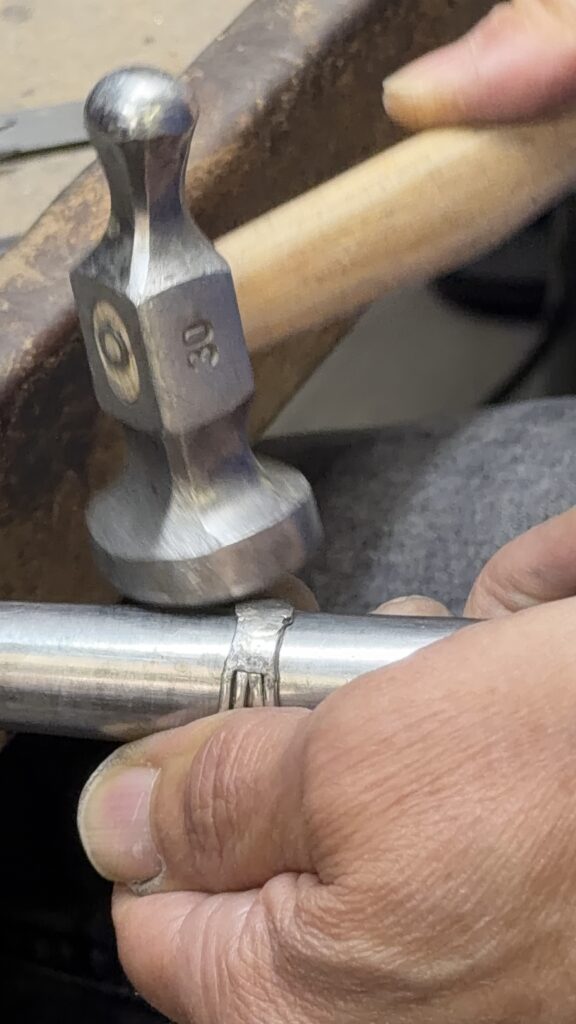
A low-set engagement ring does not automatically leave room for every wedding band. The relevant question is how the setting and underside relate to the neighbouring ring. Two designs can both be described as low while creating very different gaps, contact points and wearing arrangements.
For a retailer, this is best discussed before a new ring is manufactured or an existing one is altered. A customer who wants a low profile and a particular band fit should see how those priorities work together, rather than discover the relationship at a later wedding-ring appointment.
Discuss low set engagement ring wedding band clearance
Show the engagement ring from the side and include the band the customer intends to wear with it.
Look beyond the top view
Ask for a side profile and an underside view showing the head, shoulders and band. A top-down render may communicate the stone layout while concealing the feature that determines clearance. Include the intended wedding band in the comparison wherever practical.
The head and shank alignment guide explains why the relationship between those components matters. For clearance, the workshop needs the actual geometry and intended wearing position, not only a description of the centre stone’s size.
Define what the customer means by flush
Some customers mean no visible gap from above; others expect the bands to touch along a particular section. Clarify the desired appearance and any acceptable space. A simple annotated side view can prevent different interpretations of the same word.
Do not promise that a ring can meet every preference without a design trade-off. Ask the workshop to explain the available options in relation to the setting and band. A deliberate gap or a shaped companion band may be worth discussing if the preferred straight band conflicts with the existing construction.
Assess contact with stones and decorative areas
Consider which surfaces may meet during normal wear, including side stones, galleries and raised details. The question is not simply whether the rings can be placed together on a display stand. Their intended relationship should be assessed as a complete arrangement.
GIA’s diamond care guidance notes that diamonds can scratch precious metals. That is one reason to consider contact between a stone and a neighbouring band rather than judge compatibility by appearance alone. The actual risk and suitable design response remain item-specific.
Before you approve the work
Resolve the clearance and any proposed design change before approving the ring’s final construction.
Resolve changes before manufacture
For a new engagement ring, include the companion-band requirement in the manufacturing brief. A&M’s CAD and design enquiry can establish the required model or adaptation. Review the relationship before the setting height and supporting construction are approved.
For an existing ring, a change to the head or shoulders is a separate alteration proposal. Do not assume that raising, reshaping or removing a feature is a routine fit adjustment. The workshop should assess the ring’s condition and explain any effect on appearance and setting work.
Approve the intended wearing arrangement
Record the engagement ring, band reference, accepted clearance and orientation together. If either design changes, revisit the combination before manufacture or alteration proceeds. A previous fit approval does not automatically apply to a different band profile.
The best low-set ring discussion connects the desired profile with the actual wedding-band relationship. Clear side views and an agreed meaning of fit help the customer choose a construction they understand.
A personal jewellery enquiry?
Choosing an engagement ring and companion band? Contact Kinzy London about a personal purchase or design enquiry and confirm the available options. A&M’s workshop services are for jewellery businesses.
Frequently asked questions
Does a low setting always prevent a straight band from fitting?
No. The actual underside and setting geometry determine the relationship. The label low-set is not a complete clearance specification.
Can the setting simply be raised later?
That requires its own assessment and proposal. It should not be promised as a routine change without considering the existing ring and associated setting work.
Should the wedding band be chosen before final CAD approval?
If a particular band fit is important, its dimensions and profile should inform the design approval rather than be left as an assumption.