
Jewellery Design Details
Adjustable Jewellery Designs: Defining the Adjustment and Its Limits
Adjustable jewellery is not a complete construction description. A sliding connection, a choice of fastening positions and a component intended to be reshaped each create a different product. The manufacturing brief should identify the actual adjustment method before it uses a broad adjustable label.
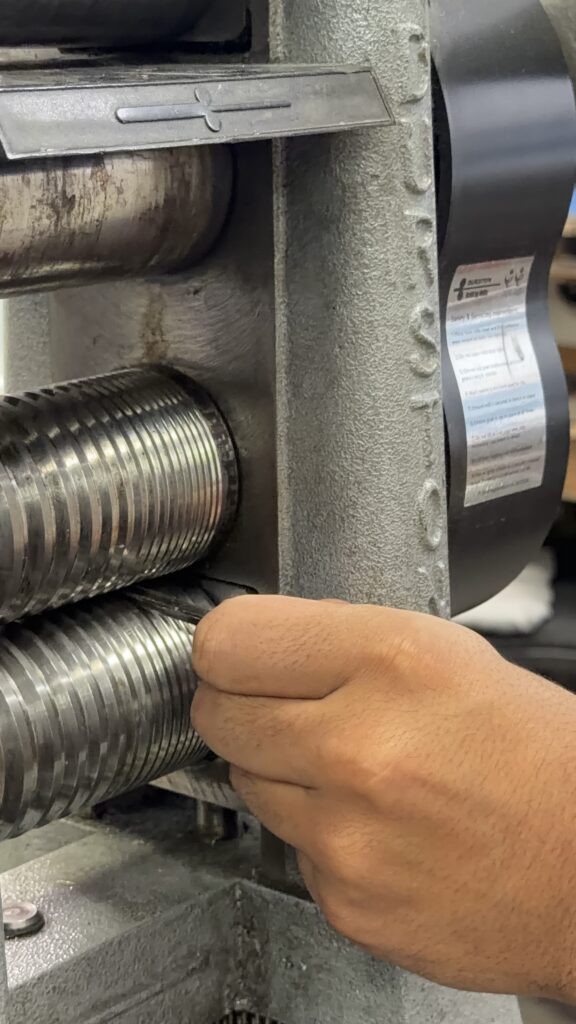
Adjustable jewellery is not a complete construction description. A sliding connection, a choice of fastening positions and a component intended to be reshaped each create a different product. The manufacturing brief should identify the actual adjustment method before it uses a broad adjustable label.
This matters particularly when a concept depends on bending metal. A drawing of an open form does not establish how often it can be moved or how far it should be changed. Those questions need a material-specific design assessment and an agreed use description.
Discuss adjustable jewellery design
Explain what should adjust, who should adjust it and how the wearer is expected to operate the design.
Define what adjustable means for the product
State which dimension or wearing relationship should change. Identify the part that moves and whether the wearer, retailer or workshop is expected to make the adjustment. If a piece is intended to be fitted once by a jeweller, say so rather than implying routine adjustment during use.
Show the proposed positions or range on the current drawing. Do not invent an allowance from a similar-looking product. The actual construction, materials and connected features should govern the discussion with the workshop.
Separate mechanism movement from reshaping
A mechanism designed to slide or fasten at different positions should be assessed through its own fit and retention features. A design that requires deformation of the metal needs a different conversation. The working record should make that distinction clear.
Kernowcraft’s work-hardening guidance explains that working jewellery wire changes its temper and that excessive working can make it brittle. That is a reason to assess the intended material and handling, rather than assume that repeated bending leaves the component unchanged. It does not provide a universal safe number of adjustments for a finished product.
Review connected features at the adjustment limits
Consider how the proposed adjustment affects settings, joints, decorative surfaces and contact with the wearer. A movement that is possible in a bare component may not be suitable after other elements have been added. Review the complete construction in each intended position.
Where the design relies on a defined fit, agree the relevant checks through the production tolerance brief. Avoid specifying a mechanism only by an instruction such as easy to move but secure. Explain the intended operation and ask the workshop to propose an assessable requirement.
Before you approve the work
Agree the permitted adjustment and the required checks before describing the product as universally adjustable.
Give the sample an appropriate test brief
Use a prototype to answer the questions it can represent. Agree which material, assembly and handling characteristics need to be assessed before production approval. Do not treat a sample in a different material as proof of unlimited performance in the finished piece.
Record the conditions of the review and the changes that follow. If the adjustment feature is revised, keep it linked to the latest CAD change record. A wider intended range or a different material is a substantive design change, even if the overall appearance remains familiar.
Match the product description to the approved use
The retailer should receive a clear description of who may adjust the piece, the intended method and any agreed limits. Avoid one-size-fits-all or endlessly flexible claims unless the specific product has evidence to support them. No universal adjustment count or dimension should be inferred from this guide.
A&M’s manufacturing enquiry can establish whether the proposed work falls within the accepted scope. A useful adjustable-jewellery brief describes a particular operation and a controlled design, giving both the workshop and retailer a result they can assess and explain.
Plan the next step with A&M
Define the intended adjustment method and use limits before asking A&M to assess the proposed product construction.
Frequently asked questions
Does an open ring design automatically mean the wearer can keep resizing it?
No. The intended adjustment method, material and use limits should be confirmed for that particular construction.
Can a prototype establish an unlimited number of adjustments?
No. Any assessment has defined conditions and limitations. Do not turn a sample approval into an unsupported lifetime claim.
Should the care instructions explain the adjustment method?
Yes. They should reflect the approved operation and identify when the wearer should return to the retailer or workshop for help.