
Repeat Production & Handover
Managing Variations in Supplied Jewellery Components
Variations in supplied jewellery components can change the work required to assemble, set or finish a piece. A repeated product reference is helpful, but the workshop still needs to assess the actual batch. Differences should be identified before they are spread through the production run.
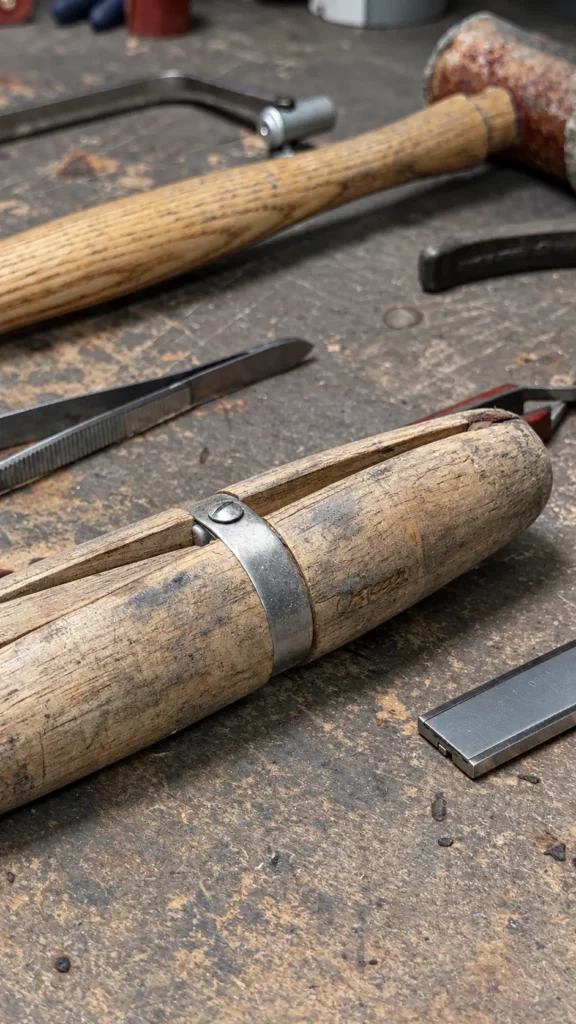
Variations in supplied jewellery components can change the work required to assemble, set or finish a piece. A repeated product reference is helpful, but the workshop still needs to assess the actual batch. Differences should be identified before they are spread through the production run.
The first task is to determine what has changed. A clear comparison with the agreed requirement makes it easier to decide whether the variation is acceptable, needs sorting or requires another action.
Discuss supplied jewellery component variations
Record which supplied components differ and the next operation they must support.
Compare against a current reference
Use the approved drawing, sample or component specification. Confirm that the comparison itself is current and applies to the supplied variant. An old sample can make a deliberate design revision look like a supplier error.
Record the relevant dimensions, material information and visible condition. Keep observations factual. The aim is to describe the difference before drawing conclusions about its cause or responsibility.
Identify the scope of the variation
Check whether the issue affects one component, a subgroup or the whole batch. Keep affected parts distinguishable from those already accepted. A broad statement that the batch is variable is difficult to turn into a practical production decision.
Where parts are matched, preserve their relationships during sorting. Reallocating components may solve one apparent mismatch while creating another if the original pairing information is lost.
Assess the next operation
Ask how the difference affects assembly, setting or finishing. A surface variation may be manageable within the agreed preparation, while a fit difference could require a separate correction or replacement. The significance depends on the actual construction.
A&M’s manufacturing guidance identifies component condition and consistency as factors in the production route. Make the observed variation visible during assessment rather than assuming it will be absorbed into routine work.
Before the next production step
Assess the effect of component variation before releasing the affected group.
Agree the response
Possible routes include accepting a defined variation, sorting into suitable groups, carrying out an approved correction or returning parts for replacement. The appropriate choice should preserve the intended product and be recorded against the affected quantity.
Confirm any price or delivery implications before additional work begins. A practical correction is still a change of scope if it was not included in the original agreement.
Feed the decision into future supply
Retain the findings and the accepted resolution with the component record. If the variation is deliberately adopted, revise the relevant specification. If it is a one-off concession, keep that limitation explicit.
Provide the supplier with useful evidence where investigation is needed. Component references, clear photographs and agreed measurements are more informative than a general complaint that the parts do not look right.
Resolve variation before treating the run as routine
Consistent production depends on knowing which inputs meet the requirement. Identify differences early, assess their effect on the next stage and release only the parts covered by a clear decision.
Plan the work with A&M
A&M can assess your trade enquiry in the context of the actual piece and requested workshop stages. Bring the references discussed in this guide so the next decision can be made on clear information.
Frequently asked questions
Does a repeated supplier code guarantee identical components?
It is an important reference, but it does not replace assessment of the actual material, dimensions and condition received for the job.
Can the workshop adjust every variation during finishing?
Do not assume that. Some differences may fall within routine preparation; others can affect fit or construction and require a separate decision.
Should an accepted variation change the product specification?
Only if that is the intended, approved decision. Record whether the acceptance is a permanent revision or a concession limited to particular components or a named batch.