
Repeat Production & Handover
How Batch Size Affects Jewellery Production Costs
Batch size can affect jewellery production costs because some work is shared across a run while other work is repeated for each item. Increasing the quantity may spread certain preparation costs, but it does not remove the setting, handling or inspection each piece requires. The effect depends on how consistent the run actually is.
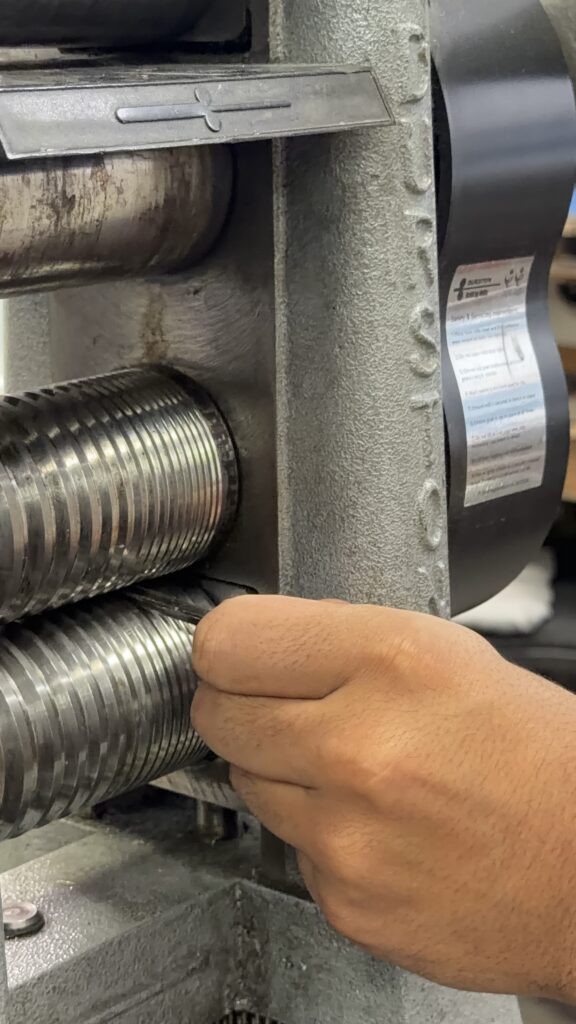
Batch size can affect jewellery production costs because some work is shared across a run while other work is repeated for each item. Increasing the quantity may spread certain preparation costs, but it does not remove the setting, handling or inspection each piece requires. The effect depends on how consistent the run actually is.
Ask the workshop to assess the quantity alongside the specification and variant mix. A large mixed order can involve less repeatable work than a smaller run of one established design.
Discuss jewellery batch size costs
Set out the genuine quantity options and the variant mix you want assessed.
Separate shared work from repeated work
Development, sample approval and some preparation may relate to the product or run as a whole. Other operations are tied to each piece. Understanding that distinction helps explain why unit pricing may change as quantity changes.
Do not assume every cost can be divided by the total number ordered. The quotation should identify the scope and any assumptions about reuse of earlier development or preparation.
Count specifications as well as pieces
Different metals, sizes, stones or finishes can create separate requirements within one order. Those differences may need additional assessment, handling or approval. A total quantity alone does not describe the workload accurately.
For example, as an illustrative planning comparison, a run of one unchanged design is a different instruction from the same total split across several individually adapted designs. This example does not establish a particular price difference; it shows why the mix matters.
Consider incoming consistency
Supplied components that need different amounts of correction can reduce the amount of work that repeats predictably. Keep routine production separate from individually assessed exceptions so the price discussion remains transparent.
A&M’s production page states that consistent larger runs may be reviewed for preferential pricing. It also identifies mixed specifications and variable components as relevant to the assessment. No universal discount is implied.
Before the next production step
Separate shared preparation from work that remains specific to each item.
Retain quality and handling requirements
Each piece still needs the agreed operations and checks. Quantity should not be treated as a reason to omit the inspection required for the product. Ask how the run will be organised to maintain the accepted standard.
Packaging, matched sets and stone reconciliation can also remain item-specific tasks. Include them in the scope if they are required at handover rather than discovering later that the unit price assumed a different return condition.
Compare realistic order options
Ask for quantities that reflect genuine purchasing choices and keep the specification consistent between comparisons. If variants change too, identify that separately so the reason for any price difference is understandable.
Confirm how a partial release, split delivery or later increase in quantity would be treated. Do not assume that two separate small orders will receive the same terms as one agreed production run.
Judge quantity by the complete order
The useful question is how the proposed batch changes the work, not simply whether more pieces must be cheaper. Compare current quotations for clearly defined quantities and choose the order that fits both production and your actual stock requirement.
Plan the work with A&M
A&M can assess your trade enquiry in the context of the actual piece and requested workshop stages. Bring the references discussed in this guide so the next decision can be made on clear information.
Frequently asked questions
Does a larger batch always reduce the unit price?
No. The result depends on the scope, consistency and variant mix. Ask for a current quotation rather than assuming a fixed relationship between quantity and price.
Do mixed designs count towards one volume rate?
That needs agreement with the workshop. A total order value or quantity does not establish that all operations are repeatable or qualify for the same pricing treatment.
Can I add more pieces after the run starts at the same rate?
Ask the workshop to assess the change. Additional pieces may affect materials, scheduling and shared preparation, so the applicable price should be confirmed directly.