
Finishing & Quality Control
In-Process Inspection vs Final Inspection in Jewellery Manufacturing
In-process inspection and final inspection answer different questions in jewellery manufacturing. An intermediate check asks whether a stage is suitable to continue. Final inspection asks whether the completed item meets the agreed handover requirement. Using both can make the production record more informative than relying on one last visual review.
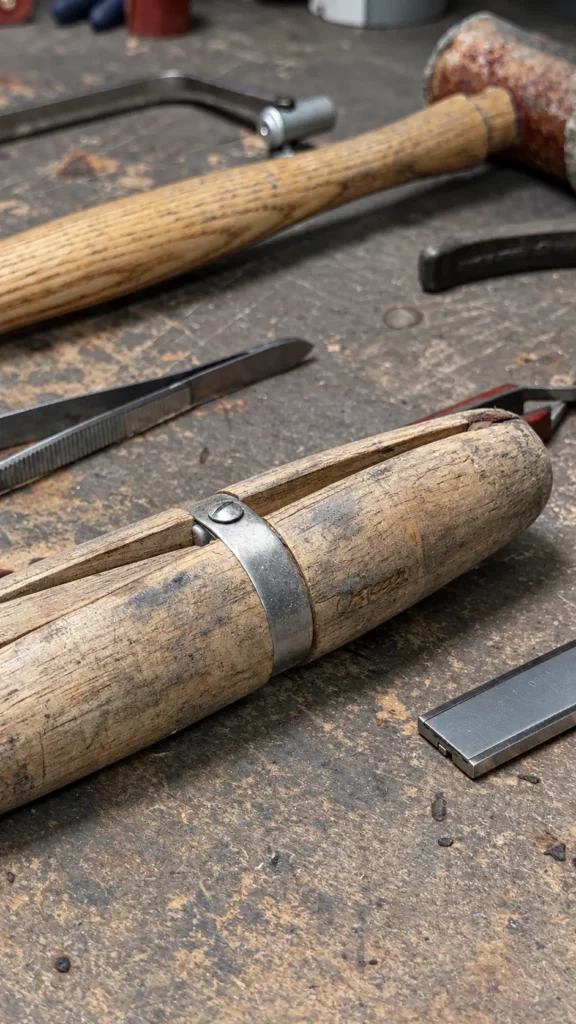
In-process inspection and final inspection answer different questions in jewellery manufacturing. An intermediate check asks whether a stage is suitable to continue. Final inspection asks whether the completed item meets the agreed handover requirement. Using both can make the production record more informative than relying on one last visual review.
The checks should follow the actual construction. Not every operation needs a separate approval, but important features should be assessed while the necessary evidence is still available.
Discuss in process jewellery inspection
Identify which features should be checked before later work restricts access.
Inspect before a feature becomes less accessible
Some surfaces or joints are easier to assess before another part is installed. Identify these points when planning the route. A later inspection may show the finished exterior without revealing the condition that existed earlier.
Record what the check establishes. Acceptance of a prepared component does not approve the later assembly, and acceptance of a mount does not demonstrate the quality of stone setting that has not yet happened.
Use checks to control handovers
When work passes from preparation to assembly or from assembly to setting, confirm the required input for the next operation. This helps prevent an unresolved component issue being discovered only after more work has been added.
A&M’s mount preparation information connects the preparation standard to the next stage. Use that same principle to define what the receiving specialist needs to verify before continuing.
Distinguish inspection from client approval
An internal workmanship check and a client design decision are not the same event. The workshop may be able to assess whether an operation meets the specification while still needing the client’s approval of a revised appearance.
Identify which decisions release further work and who can make them. A photograph sent for information should not be mistaken for an approval request, and silence should not be treated as agreement unless that process has been expressly established.
Before the next production step
Decide which checks release the next stage and which require client approval.
Keep the final inspection complete
Intermediate checks do not remove the need to assess the finished item. Later operations can affect dimensions, finish or the relationship between components. Compare the complete piece with the final approved reference.
GIA’s quality assurance resources are organised around defined workmanship features and stages. The practical lesson for a production plan is to make the purpose of each check explicit, rather than using one undifferentiated quality tick.
Record findings without duplicating paperwork
Keep the record proportionate to the job. Important measurements, approvals and exceptions should be traceable, while repeated statements that add no new information can obscure the significant decision.
For a batch, identify whether a finding affects one piece, a defined group or the whole run. If the issue suggests a shared input problem, assess that implication before continuing with apparently unaffected components.
Inspect where the decision is useful
In-process checks support the next operation; final checks support acceptance of the completed goods. Design the inspection route around those purposes so the evidence is collected before it becomes difficult to obtain.
Plan the work with A&M
A&M can assess your trade enquiry in the context of the actual piece and requested workshop stages. Bring the references discussed in this guide so the next decision can be made on clear information.
Frequently asked questions
Can final inspection replace every earlier check?
Not where later assembly conceals or changes the evidence needed. Identify critical features that should be assessed while accessible and retain final inspection for the complete result.
Does every stage require client sign-off?
No. Agree which decisions the workshop can make within scope and which require client authority. The process should be clear without creating unnecessary approval delays.
Should an intermediate failure stop the whole batch?
Assess the scope of the issue. It may affect one component or indicate a wider concern. Identify the affected work and the decision needed rather than assuming either outcome.