
Repeat Production & Handover
Coordinating CAD, Casting, Setting and Finishing Across Workshops
Coordinating CAD, casting, setting and finishing across workshops requires a shared understanding of what each stage receives and what it must deliver. A design can be correctly approved yet still encounter problems if the wrong file reaches the caster or the setter receives a mount in an unsuitable condition.
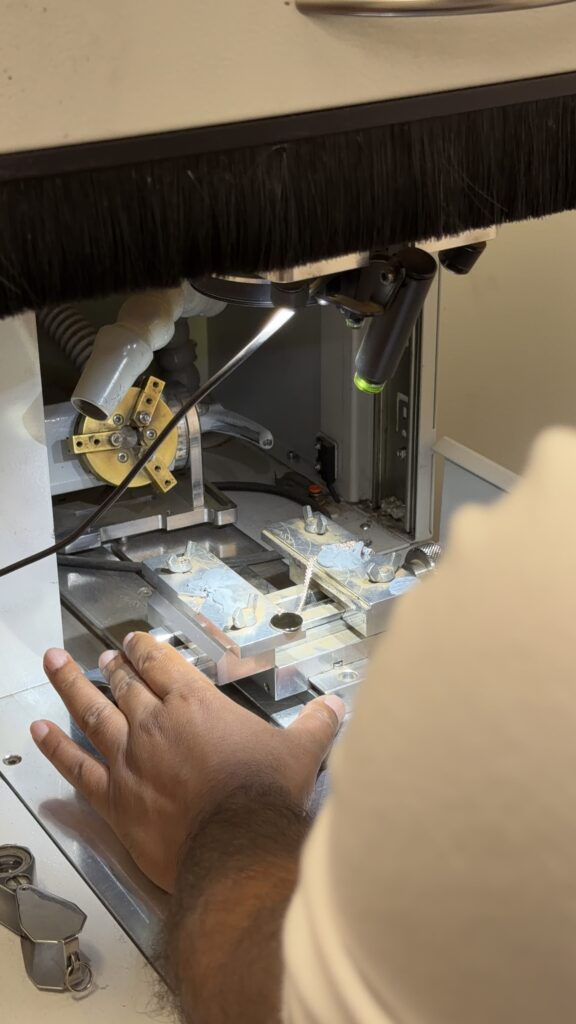
Coordinating CAD, casting, setting and finishing across workshops requires a shared understanding of what each stage receives and what it must deliver. A design can be correctly approved yet still encounter problems if the wrong file reaches the caster or the setter receives a mount in an unsuitable condition.
Build the route around explicit handovers. Each should identify the current reference, the physical work transferred and the check that allows the next stage to begin.
Discuss coordinate jewellery production workshops
Map the suppliers and the accepted output needed at each workshop handover.
Release the correct digital information
Identify the approved model and the export required by the receiving supplier. Confirm units, scale and revision, and state any conditions that remain. Keep the design views linked to the same released version.
If a supplier recommends a change, route it through the authorised decision maker. A technically sensible alteration can still affect the design another party has approved. Record the new release before subsequent production continues.
Accept components at the receiving stage
When castings or other parts move to another workshop, confirm quantity, identity and condition against the agreed requirement. The receiving specialist should know which checks are expected and which issues need to be reported before work begins.
Avoid using physical delivery as the only handover event. The production record should distinguish arrival from acceptance for the next operation. A component can be present but still awaiting assessment or approval.
Define preparation for the next specialist
Agree what the setter or assembler needs to receive. Some surfaces may require earlier work, while others must remain suitable for later operations. A generic instruction to finish the mount can be interpreted differently by each workshop.
A&M’s mount preparation service makes the next stage central to the scope. Use that principle to write concise, specific handover instructions for the actual piece.
Before the next production step
Confirm component acceptance before moving work to the next specialist.
Keep one current record of decisions
Nominate a coordinator to maintain the released references and communicate approved changes. This does not mean the coordinator makes every technical decision; it means the record remains coherent as specialists contribute.
Label photographs with the item and stage. A close-up sent without context can be mistaken for a different piece or an earlier condition. Clear references make remote decisions more reliable.
Close the route with final acceptance
Confirm who inspects the completed piece and who arranges any remaining hallmarking, engraving or delivery. The final workshop in the physical sequence should not be assumed responsible for tasks outside its agreed scope.
Review A&M’s manufacturing role for the specific commission and record any external stages separately. Reconcile completed and outstanding items across the whole route before reporting the order ready.
Coordinate through accepted outputs
Good coordination makes each handover a clear transfer of an identified, assessed result. Maintain the current references and decisions so every workshop can act on the same production instruction.
Plan the work with A&M
A&M can assess your trade enquiry in the context of the actual piece and requested workshop stages. Bring the references discussed in this guide so the next decision can be made on clear information.
Frequently asked questions
Should every workshop receive the entire message history?
Usually a clear current instruction and relevant supporting records are more useful. Preserve the history, but identify the controlling version so important decisions are not buried in old exchanges.
Who should approve a caster’s design change?
The person authorised for that design decision, with input from the relevant specialists. Record approval and issue the revised reference before it affects later stages.
Does the last workshop automatically perform final quality control for everything?
Do not assume that. Agree its inspection scope and identify who accepts the complete order, including work or services outside that workshop’s responsibility.