
Materials & Mount Preparation
Ring Head and Shank Alignment: Checks Before Assembly
Ring head and shank alignment influences the relationship between the setting and the band in the finished design. A small unintended tilt or offset can affect the appearance of an otherwise carefully finished ring. The appropriate checks begin before the components are permanently joined.
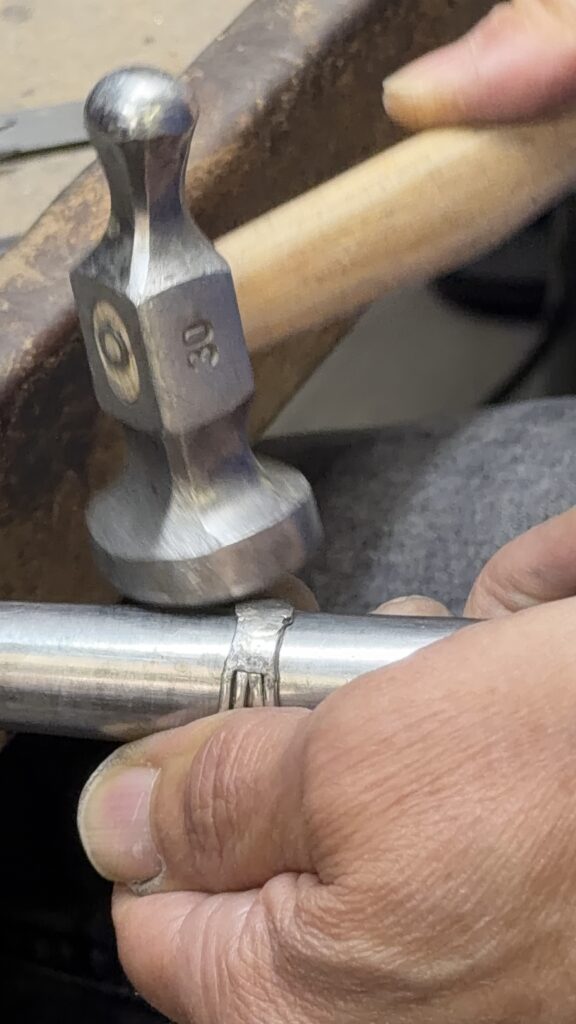
Ring head and shank alignment influences the relationship between the setting and the band in the finished design. A small unintended tilt or offset can affect the appearance of an otherwise carefully finished ring. The appropriate checks begin before the components are permanently joined.
The target is the approved design, not an assumption that every ring must be symmetrical. Intentional offsets and asymmetry should be recorded clearly so the workshop can distinguish them from assembly errors.
Discuss ring head shank alignment
Show the intended relationship between the ring head, shoulders and shank.
Establish the reference views
Use front, side and other relevant views to show how the head should sit relative to the shank. Identify the design’s centre line or other reference features where they help explain the relationship.
Perspective alone can make an aligned assembly appear tilted or conceal an actual difference. Pair visual references with the agreed measurements that control position. Keep them associated with the current component and model revision.
Check the components before fitting
Confirm the head, shank and any intermediate parts belong to the same design and variant. Review their condition and fit at the intended interface. A mismatched or distorted component should not be forced into the assembly simply because its overall appearance is similar.
A&M’s mount preparation service emphasises matched components and the next production stage. Provide the assembly relationship when arranging preparation so the relevant surfaces remain suitable for joining.
Review height and orientation together
The head’s position should be considered in more than one direction. Confirm the approved orientation of the setting and any stone layout, along with the relationship to the shoulders and shank.
If the ring is intended to sit alongside another band, state that requirement and provide a suitable reference. The workshop should assess the relationship in the actual construction rather than infer clearance from a single photograph.
Before the next production step
Confirm the alignment reference before the components are permanently joined.
Agree the pre-assembly check
Ask the workshop how the components will be assessed before joining and which features need client approval. A temporary arrangement can help explain the intended relationship, but it should not be confused with the completed construction.
Keep any requested changes precise. Identify the feature and direction of adjustment rather than asking generally for the head to look straighter. The instruction should remain meaningful when a different person reviews it.
Recheck after joining and finishing
An accepted initial arrangement does not replace inspection of the assembled piece. Compare the relevant alignment and dimensions after the operations that could affect them. Also examine the joint and surrounding finish against the agreed result.
If a discrepancy appears, obtain an assessment before additional finishing is used to disguise it. The appropriate response may concern the assembly rather than the surface. Record any correction and confirm the affected features again.
Preserve the intended relationship
Clear references and checks at the right stages help the head and shank become the ring that was approved. Establish the alignment criteria before assembly, then verify the finished piece against the same standard.
Plan the work with A&M
A&M can assess your trade enquiry in the context of the actual piece and requested workshop stages. Bring the references discussed in this guide so the next decision can be made on clear information.
Frequently asked questions
Must a ring head always sit exactly centrally?
Not if the approved design specifies an intentional offset. The important point is that the intended relationship is clear and can be distinguished from an unintended assembly difference.
Can polishing correct a misaligned head?
Do not assume so. Alignment is a construction question that should be assessed before further surface work. Polishing may alter detail without resolving the underlying position.
What should I supply if a wedding band must fit beside the ring?
Explain the required relationship and provide the actual band or agreed dimensions and references where possible. Ask the workshop to assess the complete arrangement.